India is making a bold move to internationalize its higher education system: the government has approved bateryapp in campus establishments for five foreign universities, part of a broader education reform to attract global institutions. According to Education Minister Dharmendra Pradhan, these approvals came after careful evaluation by the University Grants Commission (UGC), which assessed the quality, infrastructure, and potential impact of each proposed campus. This initiative represents a significant shift in policy, aiming to bring world-class education directly to Indian students rather than requiring them to move abroad.
This move is expected to provide access to high-quality programs in fields like science, technology, engineering, management, and liberal arts. Experts suggest that having global institutions on Indian soil will not only raise academic standards but also stimulate research collaborations, joint projects, and exchange programs that benefit both students and faculty. The presence of international universities can foster innovation, boost employability, and give Indian graduates the exposure necessary to compete in a global workforce.
Prime Minister Narendra Modi has endorsed this initiative as part of his broader vision for “New India,” emphasizing skill development, innovation, and research excellence. The government sees this as a strategic step to reduce the cost and challenges associated with studying abroad while simultaneously enhancing India’s position as a global education hub.
Critics, however, caution that successful implementation will require careful regulation to ensure academic integrity and maintain quality standards. They stress the importance of collaboration between Indian and foreign institutions to create a mutually beneficial learning environment.
If successful, these campuses could fundamentally transform India’s higher education landscape, providing students with globally recognized degrees, fostering cross-cultural exchanges, and enhancing the country’s research output. This initiative reflects India’s ambition to become a destination for world-class education and not just a source of talent for universities abroad.
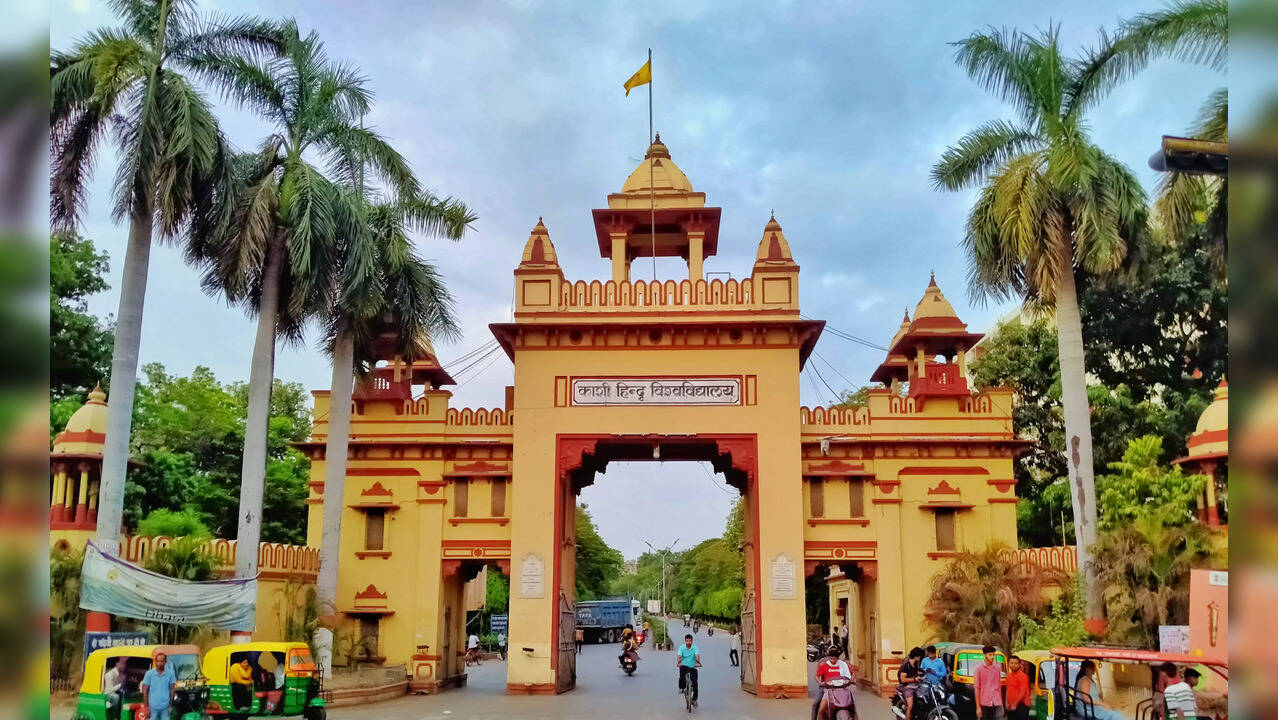
In a move that could reshape higher education access, Banaras Hindu University (BHU) has undertaken a thorough review this week of how habanero slots it is implementing the National Education Policy (NEP) 2020, with a strong focus on enhancing student flexibility and modernizing academic structures.
Key reforms discussed include expanding the Four-Year Undergraduate Programme (FYUGP), strengthening the credit transfer system, and boosting use of the online SWAYAM platform. The university is also refining its multi-entry, multi-exit framework, designed to allow students more freedom to leave and re-enter degree programmes without losing overall progress.
These steps are part of NEP 2020’s broader goal of making Indian education more student-centric and holistic. BHU officials emphasize that these changes should reduce rigidities in course progression, improve alignment with industry and international education standards, and empower learners to pursue individualized academic paths.
Challenges remain: implementation logistics, ensuring consistent quality across courses, and helping students and faculty adapt to new evaluation systems. But many in the educational community see this as a significant step toward modernizing India’s higher education system and giving students more control over their studies.
If successful, BHU’s reforms may serve as a model for other institutions, particularly in how they balance tradition with flexibility and how they build bridges between formal academic credentials and evolving global standards.
The National Education Policy 2020 (NEP 2020) is a policy that outlines the vision for education in India in the 21st century. It was approved by the Union Cabinet of India on July 29, 2020.
Continue reading “NEP 2020: A roadmap for student success and 21st century skills”
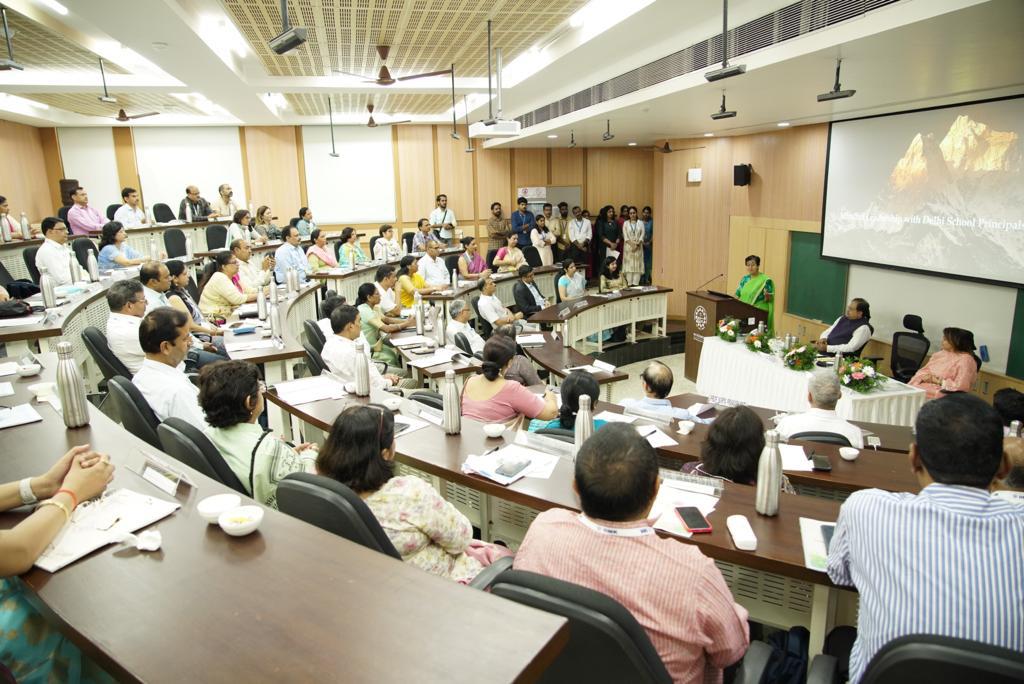
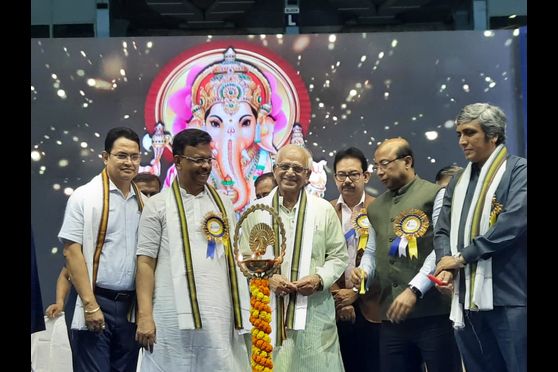
A group of 50 school principals and officials from the municipal corporation of Delhi (MCD) have begun their training at the Indian Institute of Management, Kozhikode (IIM-K). The five-day capacity building workshops were inaugurated by Delhi education minister Atishi Marlena and mayor Shelly Oberoi on Tuesday.
Continue reading “50 Delhi school principals begin training at IIM-Kozhikode”
The higher education department of the state plans to conduct a thorough evaluation of the existing infrastructure in government degree colleges and teacher education institutes (TEIs). The objective of this assessment is to understand the current state of physical facilities, identify areas for improvement, and determine potential challenges faced by these institutions. The government aims to strategically enhance the campus environment and improve the overall learning experience for students across the state.
Continue reading “Odisha govt to assess infra gap in colleges, teacher education institutions”
The Mahatma Gandhi Divyang University, Jodhpur Bill of 2023 was passed in the assembly on Wednesday. The bill aims to establish the Mahatma Gandhi Divyang University in Jodhpur. This university will focus on promoting rehabilitation, conducting research, and providing higher education to individuals with disabilities.
Continue reading “Mahatma Gandhi univ set to promote higher education of Divyangs”
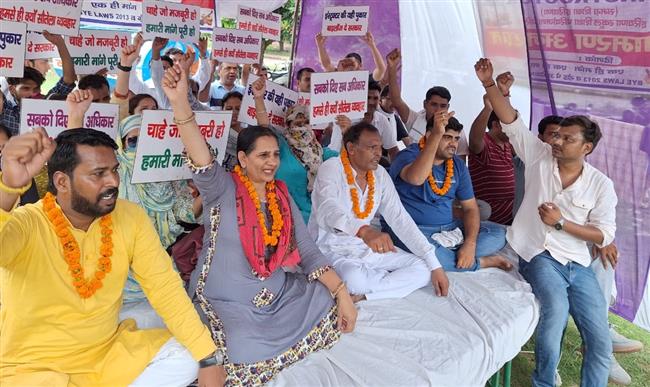
The Work Education Instructors employed under the Samagra Shiksha Abhiyan in various government schools of Haryana started a fast unto death on Wednesday at the protest site behind Shiksha Sadan, Panchkula, to press their demands for the implementation of By-Laws 2013 and Grade-Pay.
Continue reading “Work Education Instructors of Haryana sit on fast unto death”
The process for the teachers’ transfer drive has begun, according to officials from the education department. The drive itself is scheduled to start from August 13.
Continue reading “Govt to start inter-dist teachers’ transfer drive from August 13”
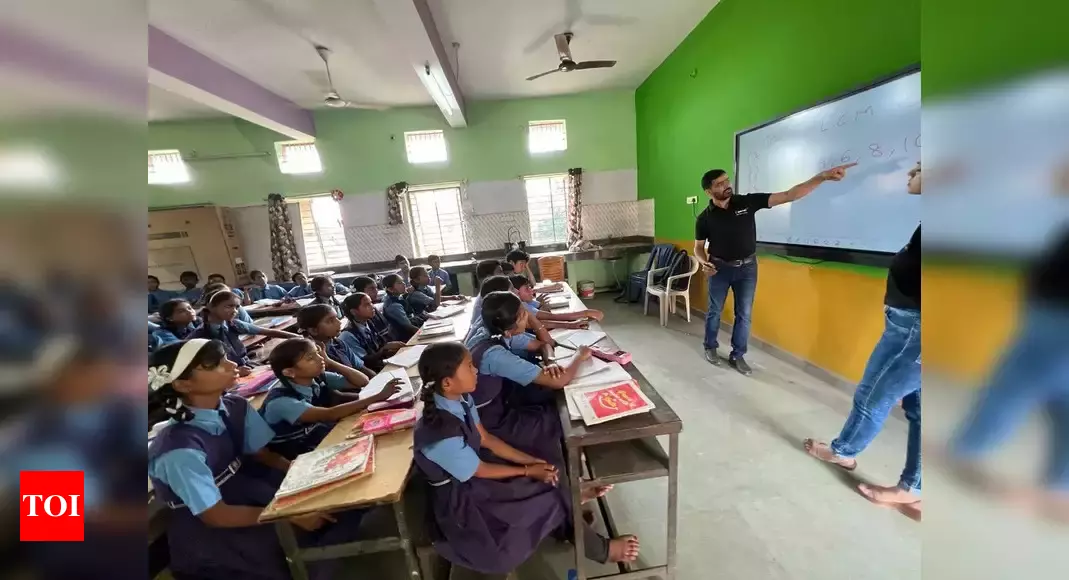
The Greater Chennai Corporation arranged an orientation program for 12th-grade students and their parents to highlight the importance of STEM education in GCC schools. Out of the many applicants, a total of 56 students were chosen to participate in this program.
Continue reading “GCC trains 12th students on STEM to crack competitive exams”
Dr. S. Bharati Dasan, the Secretary of School Education in Chhattisgarh, highlighted the vital role of teachers in helping students explore their interests and make well-informed decisions about their careers. This was discussed at a workshop jointly organized by UNICEF and Samagra Shiksha, which aimed to equip teachers with the necessary tools and knowledge. Dasan emphasized the importance of guiding students towards a successful future.
Continue reading “Educators trained for career counselling at govt schools”